
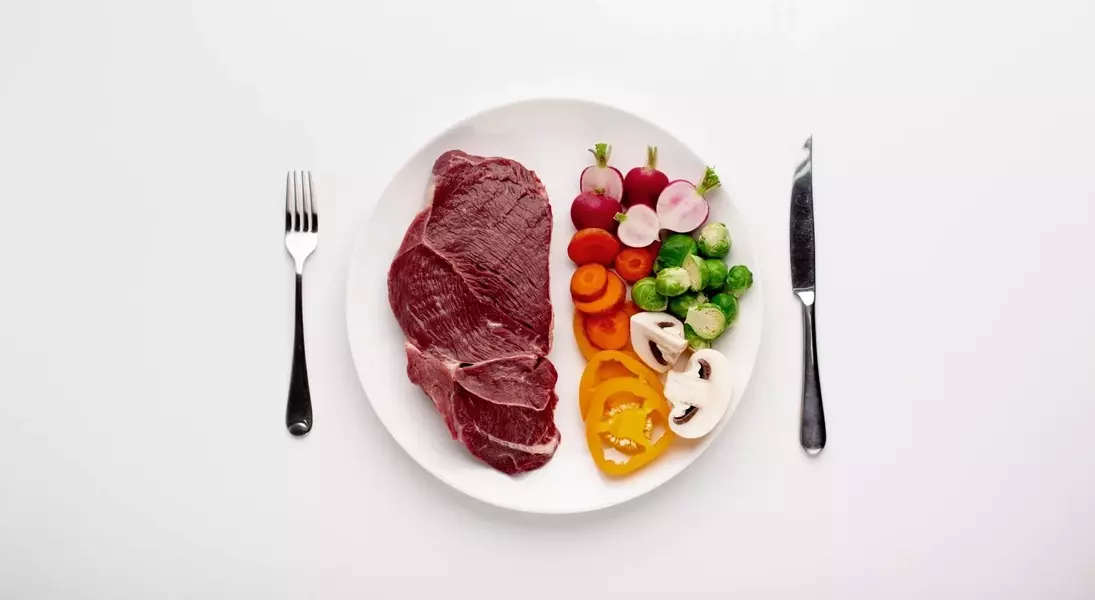
A recent inquiry delves into the intersection of plant-based nutrition and high-performance athletics, specifically examining how a vegan dietary regimen influences the physical capabilities and physiological markers of semi-professional soccer players. The findings, stemming from a study published in a prominent nutritional journal, indicate that while such diets can indeed sustain intensive training demands, meticulous dietary planning becomes paramount to mitigate the risk of muscle mass reduction and ensure comprehensive nutritional adequacy.
Amidst growing global awareness regarding the ecological footprint of meat-centric eating habits, an increasing number of individuals are exploring the health advantages associated with plant-derived diets. For athletes, however, the consideration is nuanced, given their amplified requirements for energy and protein to fuel rigorous training and competitive performance. This particular investigation sought to understand the implications of veganism for soccer players, a cohort characterized by substantial physical exertion.
Within the realm of sports science, dietary considerations extend beyond mere caloric or macronutrient counts. The specific ratios, energetic contributions, and the inherent quality of food sources are all critical elements. Plant-based diets are recognized not only for their environmental sustainability but also for their capacity to mitigate cardiovascular risk, reduce oxidative stress, and lower systemic inflammation. Furthermore, they are believed to bolster mitochondrial function and modulate pathways linked to energy metabolism and endurance, thereby aiding muscle recuperation and adaptation to strenuous physical demands.
However, comprehensive data on the efficacy of vegan diets and supplemental interventions in meeting the rigorous demands of elite athletic training remains scarce. Concerns persist regarding potential deficiencies in essential macronutrients, such as protein and omega-3 fatty acids, and critical micronutrients, including vitamin B12, iron, calcium, zinc, and iodine, all vital for muscle repair, energy production, immune system integrity, and oxygen transport to tissues.
The study, a controlled interventional pilot with a non-randomized, longitudinal design, observed two self-selected groups—one vegan and one omnivorous—over an eight-week period during the soccer season. This approach provided insights into the practical application of vegan diets in a demanding athletic context. Although starting with 16 participants from SV Babelsberg 03 in Potsdam, Germany, protocol deviations led to a final analysis encompassing 9 vegan and 6 omnivorous participants. At the study's onset, both groups exhibited comparable body composition, dietary supplement usage, age, and educational backgrounds. Training sessions for both groups typically lasted 60 to 90 minutes almost daily throughout the season, with game days demanding more intense physical output.
The research, notably the first of its kind to meticulously examine the dietary and performance impacts of a vegan diet on semi-professional soccer players using this specific methodology, underscored the absence of tailored nutritional guidelines for vegan athletes. Nevertheless, universal recommendations, such as the Union of European Football Association's (UEFA) 'food first principle,' remain applicable across all athletic populations. A comparative analysis revealed that both groups consumed insufficient energy and carbohydrates relative to their high activity levels. The vegan group consistently demonstrated higher carbohydrate intake, largely due to increased consumption of legumes, nuts, plant milks, and meat alternatives, along with more vegetables, fruits, and grains. Energy and fat intake escalated in both cohorts over time, with convenience food consumption also rising, particularly within the vegan group. However, fat intake in both groups surpassed the recommended 30%, remaining within a 'safe' 42% range. Vegans derived 46% of their dietary energy from fats, compared to 38% in the control group. Conversely, the vegan group's protein intake consistently fell short of the recommendations for athletes throughout the study.
Regarding micronutrient status, the vegan group exhibited elevated levels of vitamins A, E, K, folic acid, and B12, likely attributable to supplement use. The control group, in contrast, supplemented more with calcium, iodine, and vitamin C. No deficiencies in vitamin D or ferritin were identified in either group, and most blood biochemical markers remained within normal limits, aside from a slight increase in triglycerides in the control group. A significant observation pertained to body composition: the vegan group experienced a reduction of 2 kg in lean mass, while fat-free mass remained stable in both groups. This highlights the critical need for individualized dietary strategies for vegan athletes to prevent muscle protein loss and stimulate protein synthesis, especially given the observed lean mass reduction in the vegan cohort during this short-term intervention.
In terms of exercise performance, the resting heart rate, initially higher in the vegan group, decreased significantly by 15 bpm by the study's conclusion, compared to a 3.6 bpm reduction in the control group. This decline suggests effective physiological adaptation to training in both groups. The individual anaerobic threshold (IAT), a measure of maximum sustainable exercise without rapid lactate accumulation, showed similar slight reductions in lactate levels across both groups. However, maximum lactate values were higher in the vegan group. The maximum running velocity was consistently greater in the vegan group, and time to exhaustion improved for both groups post-intervention, albeit modestly. The vegan group's maximum treadmill running speed increased by approximately 0.87 km/h, indicating comparable training-induced improvements. Enhanced time to exhaustion, higher maximum running velocity, and increased carbohydrate intake might explain the elevated lactate levels in the vegan group. While relative VO2 max, a key indicator of athletic adaptation, was initially similar, it rose in the vegan group relative to the control group post-intervention. However, this increase was primarily due to weight loss rather than an actual boost in absolute aerobic capacity, as absolute VO2 max values did not change significantly in either group.
Ultimately, this preliminary investigation suggests that a short-term vegan dietary approach can support sustained athletic performance and facilitate training adaptations in semi-professional soccer players. The performance enhancements observed were consistent across both groups, indicating that a vegan diet does not impede athletic progress over a brief period. Nonetheless, the study's limited scope, small sample size, and non-randomized design necessitate further larger-scale randomized studies to corroborate these findings and provide more definitive conclusions regarding the long-term implications and optimal nutritional strategies for vegan athletes.

Unlocking the Genetic Basis of Age-Related Frailty: A Breakthrough Study
Vegan Diets and Athletic Performance: A Comprehensive Look for Soccer Players

Eating more plant protein may promote healthy aging in women
Share on PinterestA new study shows women who eat more plant protein are likely to age healthily and
Sandcastle announces “Jammin’ July” featuring live, local music each weekend in July
Sandcastle Water Park in Pittsburgh is hosting "Jammin' July" throughout the month, featuring live p
Championship Showdown: Coventry City Battles Watford in Crucial Match
Coventry City faces Watford in a crucial Championship match on January 25, 2025, with live updates p
ATRenew Inc. (RERE): A Bullish Investment Perspective

We Just Got Married. I Can Already Tell Our Financial Agreement Was a Big Mistake.
The article discusses the financial challenges faced by a married couple, where one partner earns si
The Open Championship prize money 2024: How much Xander Schauffele, others
Xander Schauffele claimed the 2024 Open Championship at Royal Troon, posting a final round of 6-unde
Judge Upholds January 10 Sentencing for Trump's Hush-Money Conviction
New York Supreme Court Judge Juan Merchan denied President-elect Donald Trump's request to postpone
Costume Designer Paul Tazewell Reveals Insights into 'Wicked: For Good' Wardrobe

Brat Beauty Is Dead, According To London Fashion Week
The article discusses the return of glamour in the fashion industry, as evidenced by the makeup and
Adidas x Wales Bonner: The Elevated Athleisure Collaboration Captivating Fashion Enthusiasts
The article discusses the enduring popularity of Adidas, a sportswear brand that has become a fashio
Nicole Kidman and Daughter Sunday Rose Coordinate in Black Dresses and Sunglasses for Balenciaga Fall 2024 Couture Show During Paris Fashion Week
Nicole Kidman and her teenage daughter, Sunday Rose, attended the Balenciaga haute couture fall 2024
Sizable Energy Raises M for Ocean-Based Energy Storage

3 men formally charged in connection to deadly hit-and-run in Riverside
Three Dayton men, Eric Caldwell, John Disney, and Ryan Wilson, have been formally charged in connect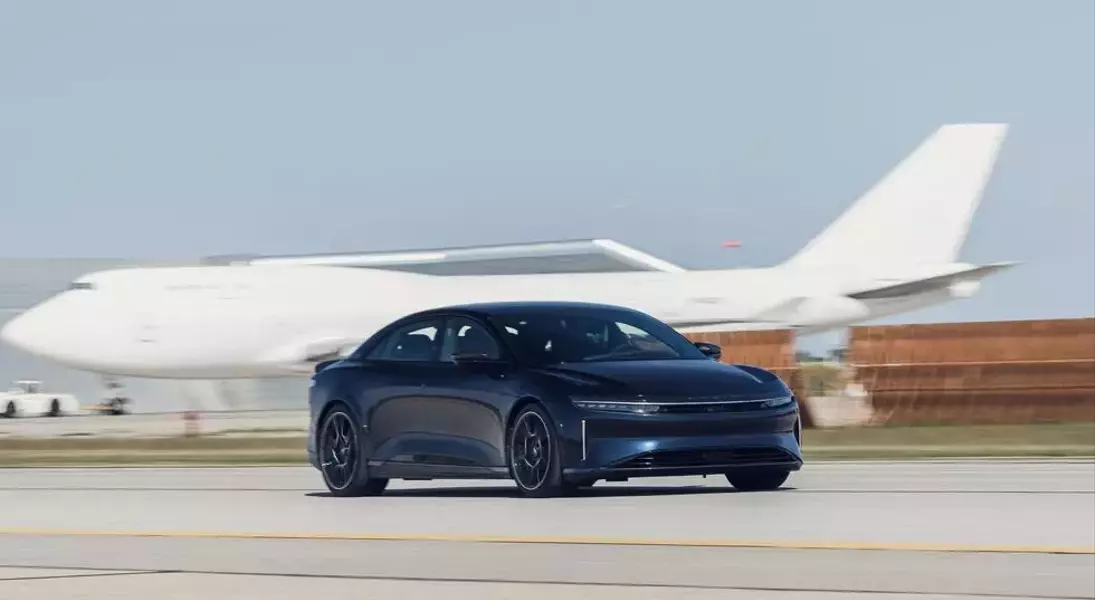
Lucid Air Sapphire Dominates 0-150-0 MPH Test

California Race Tracks Face Uncertain Future as Chuckwalla Valley Raceway Goes Up for Sale

Instagram makes teen accounts private as pressure mounts to protect kids
Instagram is making teen accounts private by default to address concerns about the platform's impact
Essential Strategies for a Spring Break Trip to Walt Disney World
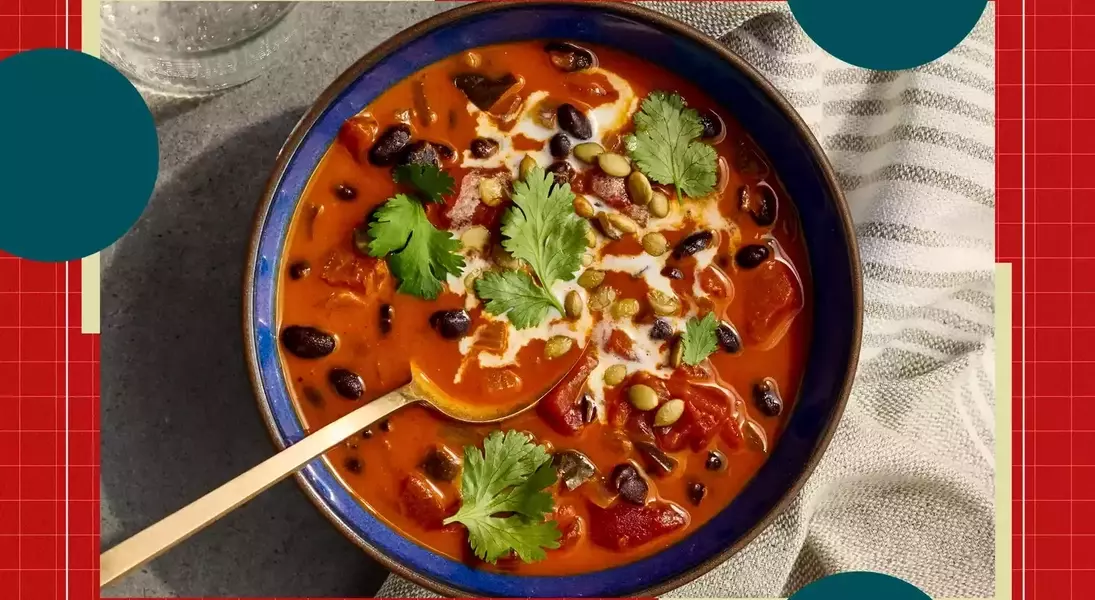
Canned Foods That Promote Heart Health by Lowering Triglyceride Levels


